
Services:
Fuel Marking Program
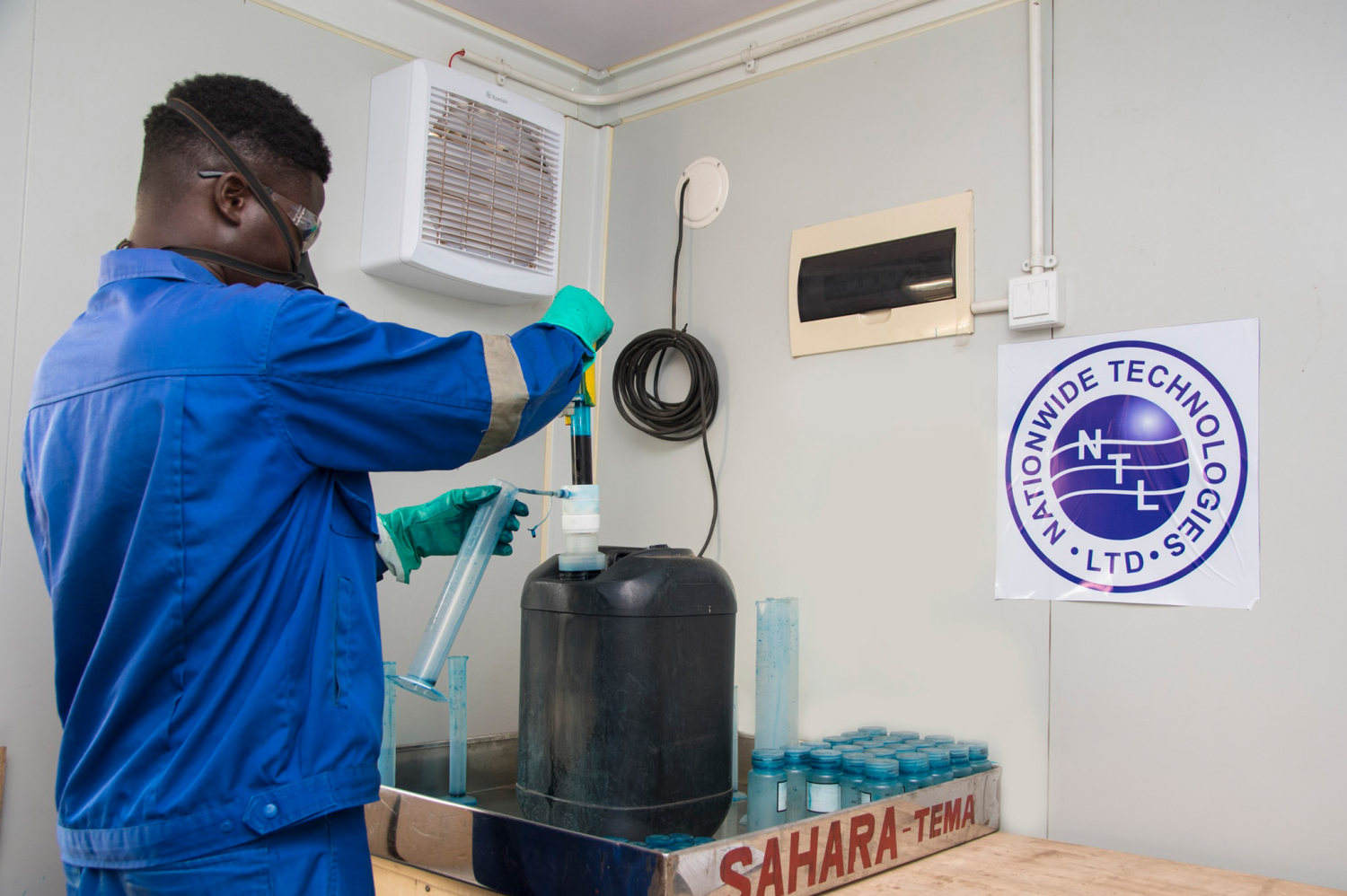
Fuel marking is the introduction of a unique identifier (bio-chemical liquid) in trace quantities into petroleum products at fuel depots before distribution to the market. The marker creates a "fingerprint" and provides a secure, tamper-proof method of authentication. Marked fuel can be distinguished from unmarked fuel through a process of testing using specialized detection equipment.
Over the years now, Ghana has been faced with significant challenges with petroleum product quality as a result of malpractices within the petroleum downstream industry. These ranged from smuggling of illegal products into and out of the country, sale of substandard products, diversions of petroleum products, to adulteration and dilution of petroleum products.
Fuel marking programmes have the potential of reducing the rate of adulteration and dilution very quickly and so in 2012, the National Petroleum Authority (NPA), with the approval of the Central Tender Review Board (CTRB), awarded a contract for the Fuel Marking Program (Petroleum Product Marking Scheme (PPMS) which eventually went live in February 2013.
Further to this, a Legislative Instrument (L.I. 2187) for the PPMS was approved by parliament in September 2012. The LI provides punitive sanctions such as fines, imprisonment or both to defaulters.
The implementation of the Fuel Marking Programme is as a result of NPA's objective of ensuring that the industry continues to be efficient and profitable whilst consumers are satisfied. Nationwide Technologies’ markers meet the Ghana Environmental Protection Agency (EPA) standards.
The successful implementation of the programme has ensured that consumers of petroleum products in the country get clean and unadulterated fuel.